R&D

2025

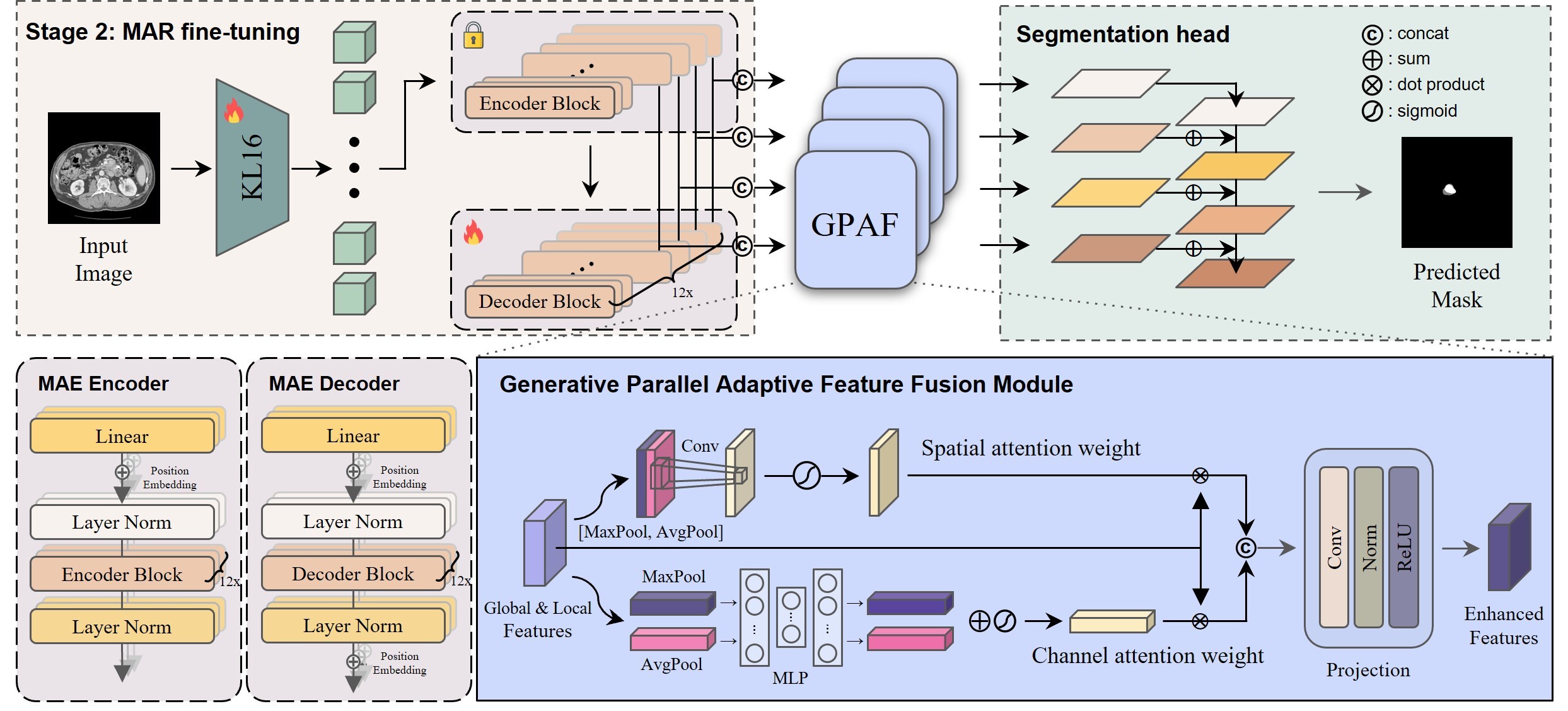
MARSeg: Enhancing Medical Image Segmentation with MAR and Adaptive Feature Fusion

MICCAI 2025 (Oral)

MARSeg combines metal artifact reduction and adaptive feature fusion to improve medical image segmentation in artifact-degraded scans, supporting more robust downstream analysis.

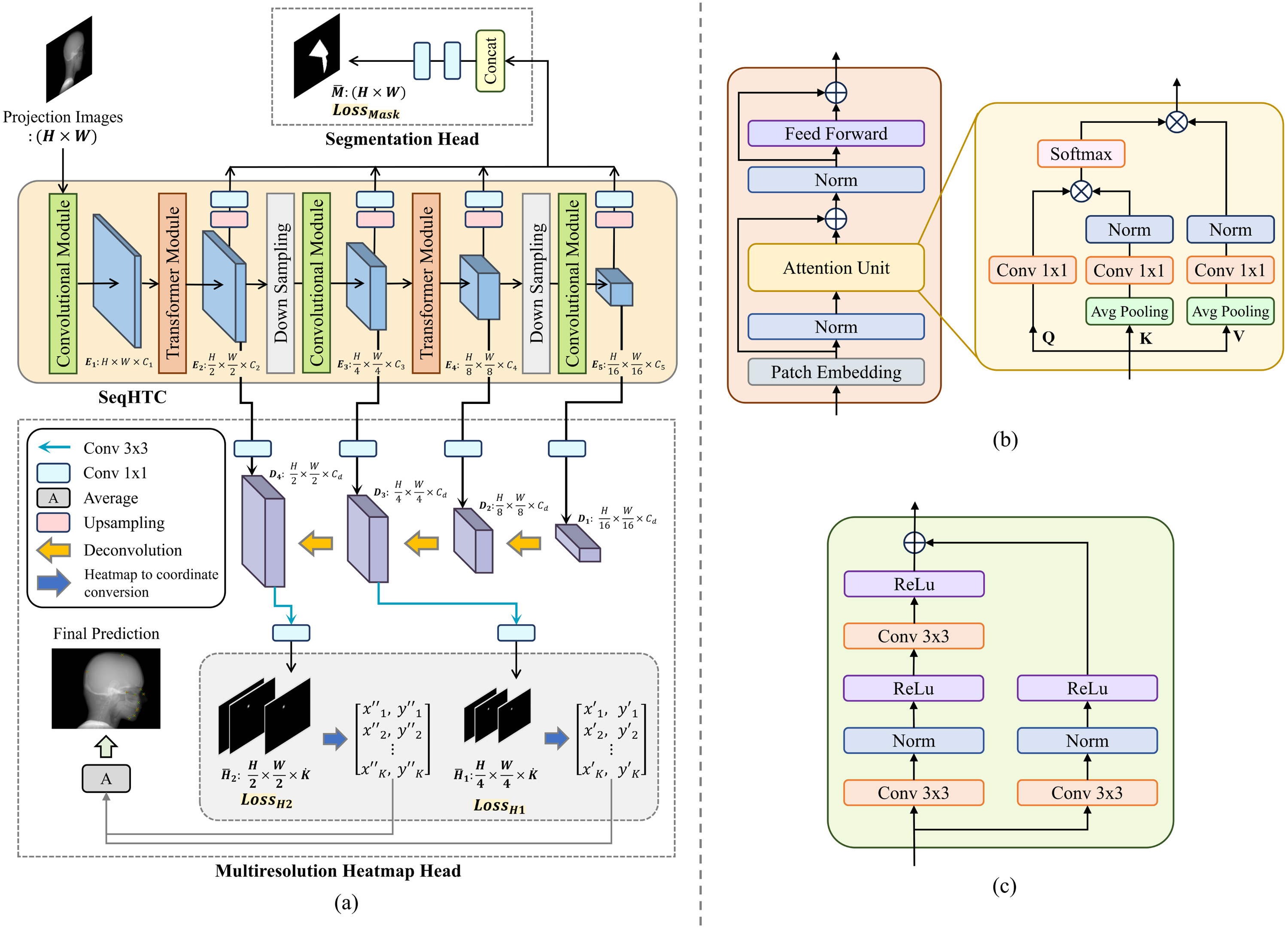
Unsupervised motion artifacts reduction for cone-beam CT via enhanced landmark detection

Expert Systems with Applications, 278:127258 (2025)

A landmark-driven motion estimation framework reduces motion artifacts in cone-beam CT without motion-free reference scans or external tracking hardware.
VIEW PUBLICATION

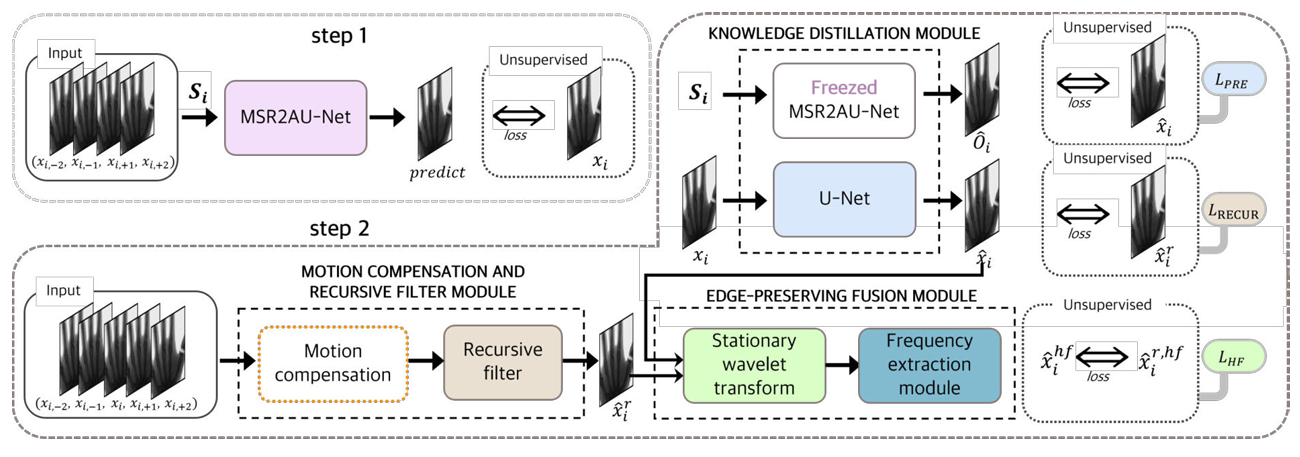
Unsupervised Training of a Dynamic Context-Aware Deep Denoising Framework for Low-Dose Fluoroscopic Imaging

IEEE Transactions on Instrumentation and Measurement, 74, 1-15 (2025)

An unsupervised temporal framework suppresses correlated and uncorrelated noise in low-dose fluoroscopy while adapting to object motion and preserving clinically important edges.
VIEW PUBLICATION

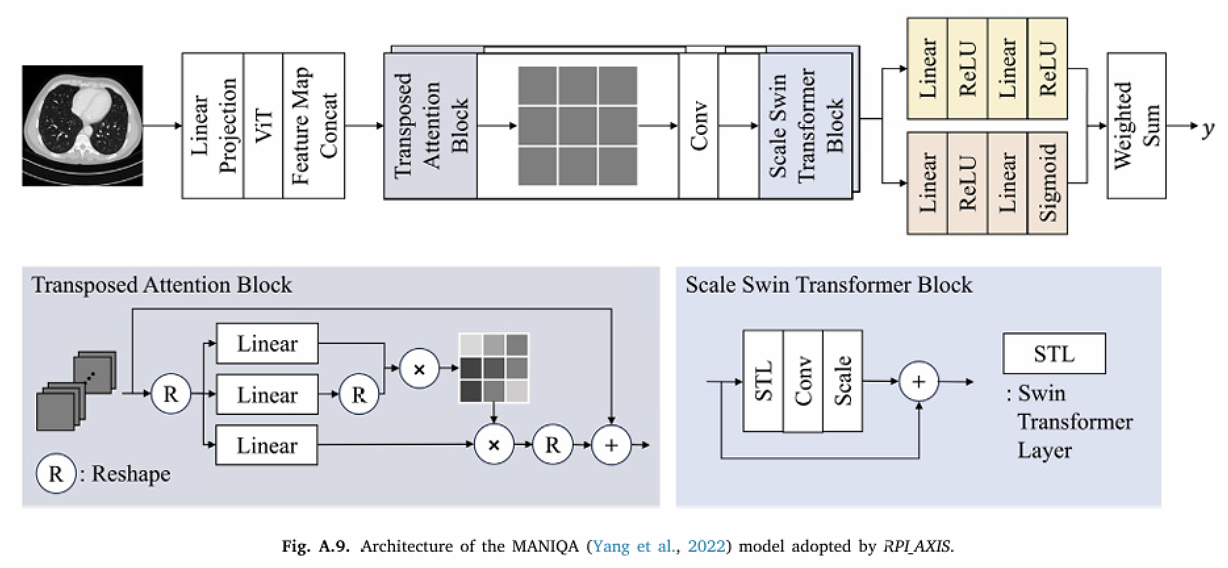
Low-dose computed tomography perceptual image quality assessment

Medical Image Analysis, 99:103343 (2025)

The work establishes a radiologist-scored low-dose CT quality dataset and benchmark, showing how reference-free AI metrics can better reflect clinically perceived image quality.

VIEW PUBLICATION

2024

A systematic review of deep learning-based denoising for low-dose computed tomography from a perceptual quality perspective

Biomedical Engineering Letters, 14(6), 1153-1173 (2024)

This review evaluates low-dose CT denoising through perceptual and diagnostic quality, highlighting the limitations of conventional numerical metrics and overly smoothed outputs.
VIEW PUBLICATION

An Unsupervised Two-step Training Framework for Low-dose Computed Tomography Denoising

Medical Physics, 51(2), 1127-1144 (2024)

A two-stage framework combines volumetric self-learning with a memory-efficient denoising GAN to improve both objective fidelity and perceived quality without paired clinical scans.
VIEW PUBLICATION

2023

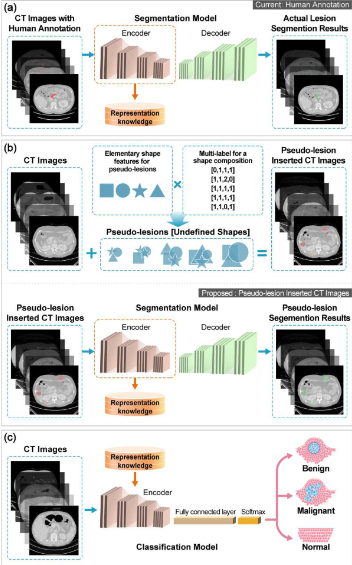
Annotation-Efficient Deep Learning Model for Pancreatic Cancer Diagnosis and Classification Using CT Images: A Retrospective Diagnostic Study

Cancers, 15(13), 3392 (2023)

A self-supervised pseudo-lesion segmentation strategy improves pancreatic cancer classification from CT images while reducing dependence on extensive expert annotations and retaining performance on external patient data.
VIEW PUBLICATION

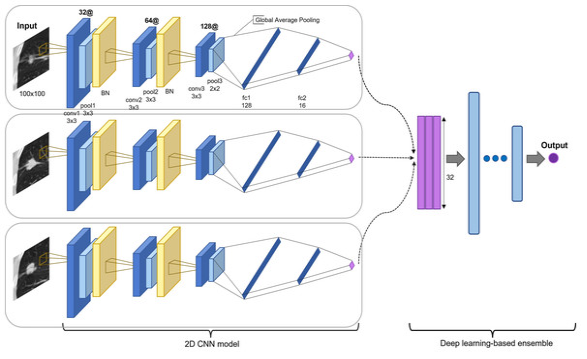
A Multi-kernel and Multi-scale Learning Based Deep Ensemble Model for Predicting Recurrence of Non-small Cell Lung Cancer

PeerJ Computer Science, 9:e1311 (2023)

The study combines multiple CT slices, spatial scales, and convolution kernels to estimate recurrence risk in patients with non-small cell lung cancer and support treatment planning.
VIEW PUBLICATION

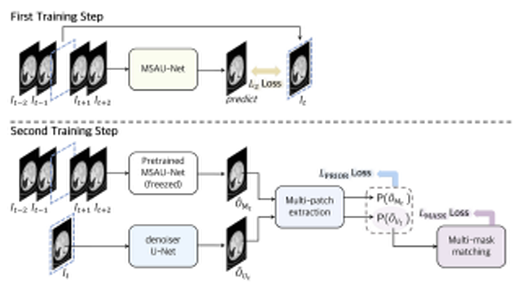
MM-Net: Multiframe and Multimask-Based Unsupervised Deep Denoising for Low-Dose Computed Tomography

IEEE Transactions on Radiation and Plasma Medical Sciences, 7(3), 296-306 (2023)

MM-Net learns volumetric low-dose CT denoising from neighboring slices and masked patches without paired normal-dose ground truth.
VIEW PUBLICATION

2022

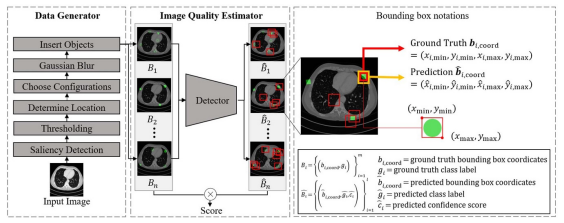
No-reference perceptual CT image quality assessment based on a self-supervised learning framework

Machine Learning: Science and Technology, 3(4):045033 (2022)

A self-supervised model estimates radiologist-aligned CT image quality without requiring a pristine reference image, supporting automated quality control in clinical imaging.
VIEW PUBLICATION

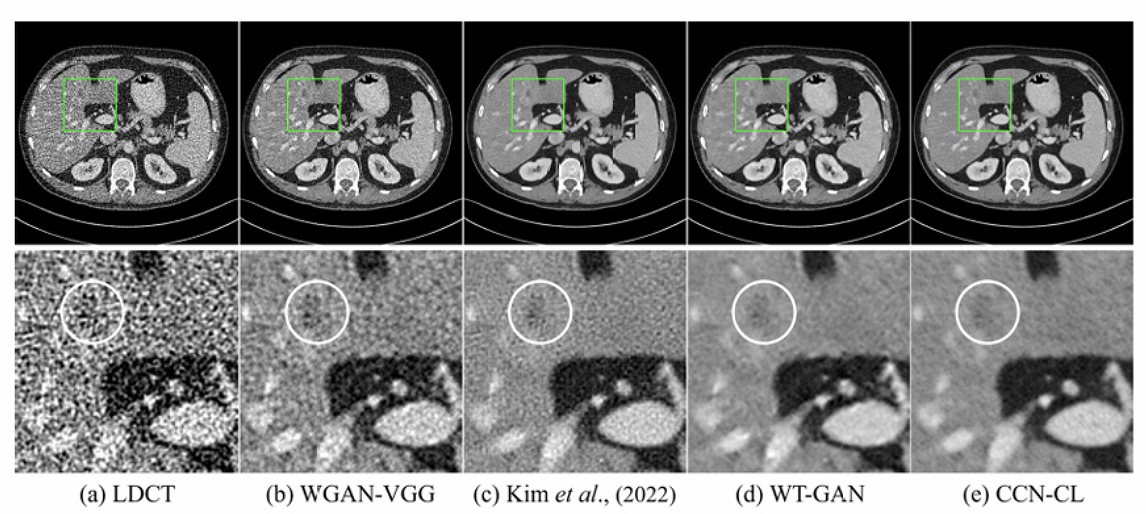
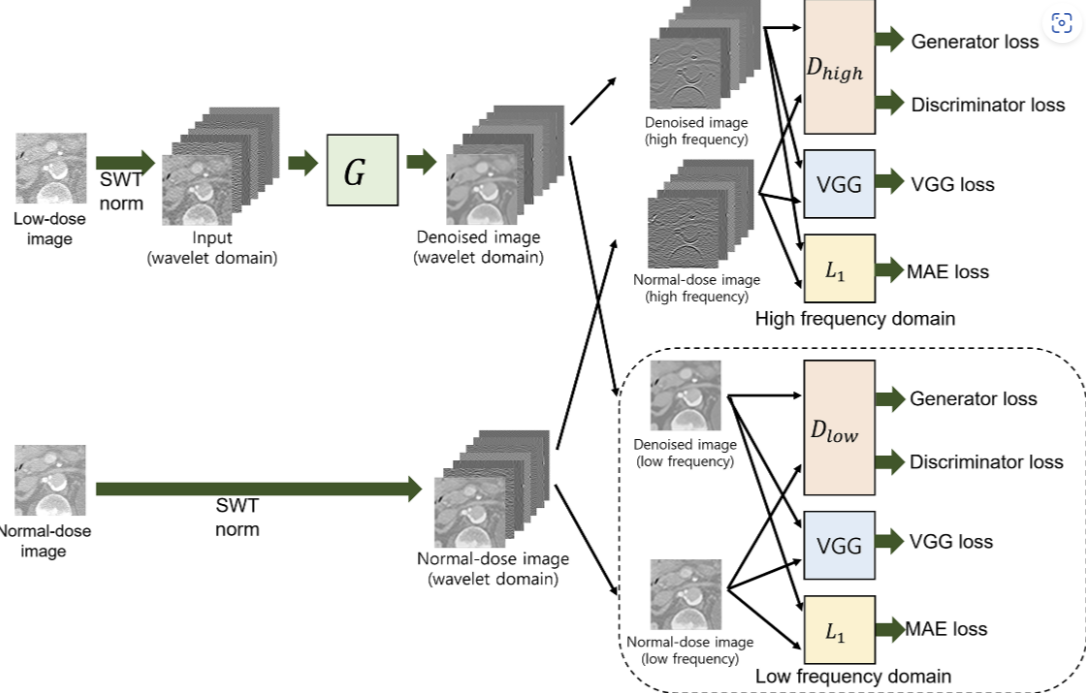
Wavelet subband-specific learning for low-dose computed tomography denoising

PLOS ONE, 17(9):e0274308 (2022)

A wavelet-domain network separately optimizes low- and high-frequency information to improve noise reduction while retaining realistic texture and structural detail in low-dose CT.
VIEW PUBLICATION